


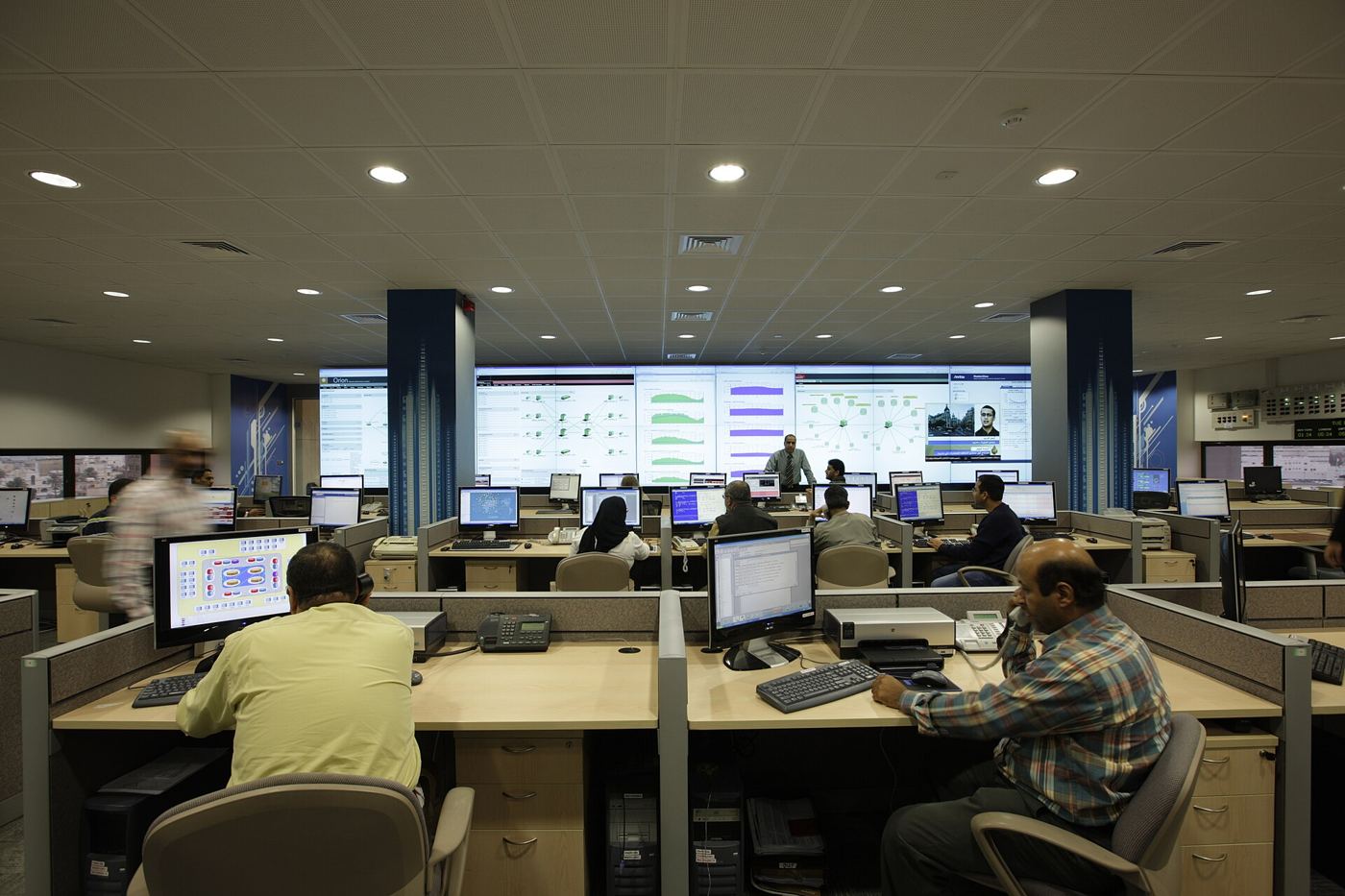
The worst moment to discover that nobody knows who may authorise shutting down a hospital network or a payment system is during a real ransomware attack. Organisations are therefore running simulated ransomware drills that test people and decisions, not just software. In a typical exercise, a scenario unfolds over hours: helpdesk calls about unreadable files, alerts from detection tools, a ransom note, then pressure from journalists and regulators as the fictional incident spreads. Participants from technology, legal, communications and senior management must coordinate under time pressure, deciding what to isolate, what to disclose and which services take priority for recovery. Facilitators deliberately inject complications, such as discovering that backups were also encrypted or that a key supplier is affected, because real incidents rarely follow the plan. The goal is not to catch individuals out but to find the seams between teams, the missing phone numbers, the unclear authorities and the assumptions that would slow a genuine response by hours when hours decide the damage.
What the Evidence Shows
Organisations that drill regularly report a consistent pattern: the technical steps of isolating systems and restoring data improve quickly, while communication decisions remain the hardest part. When to inform customers, staff and regulators, and what can honestly be said before facts are confirmed, requires judgement that only practice builds. Drills also reveal mundane weaknesses with outsized consequences, such as incident plans stored on the very network an attack would encrypt, or out-of-band contact lists that are months out of date. Mature programmes rotate scenarios across suppliers, cloud services and operational technology, and they track actions afterwards so identified fixes are completed rather than rediscovered at the next exercise. There is growing interest in sharing anonymised lessons between organisations in the same sector, since attackers reuse methods widely. A simulated attack costs a day of senior time, which can feel expensive until compared with the alternative. In a real incident, the organisations that cope best are usually those for whom the chaos already feels familiar. Reporting and analysis from sources such as IEEE Spectrum track the same developments, and specialists following simulated ransomware drills testing coordinated response say the direction is now consistent across independent lines of evidence.
The Wider Context
Adoption of simulated ransomware drills testing coordinated response follows a familiar pattern with an unfamiliar speed. Early users tolerate rough edges in exchange for advantage, mainstream users arrive when the tool disappears into existing workflows, and the market consolidates around whoever made that transition feel effortless. Vendors are racing less on raw performance now than on integration, support and trust.
What Happens Next
The realistic forecast for simulated ransomware drills testing coordinated response is steady integration rather than sudden replacement: embedded in products people already use, improving in increments, and regulated in proportion to its reach. The companies and institutions that plan on that basis, training staff and redesigning processes instead of chasing launches, are the ones the adoption data tends to vindicate. You can follow related developments in our coverage of technology.
It is also worth remembering how quickly the picture in this area has changed before. Positions that looked settled a few years ago have been revised as new data arrived, and the same humility is appropriate now. The strongest coverage of this subject, and the most useful advice, tends to come from sources that update their views openly when the facts move, rather than defending an earlier position long after it has stopped fitting the evidence available.
