

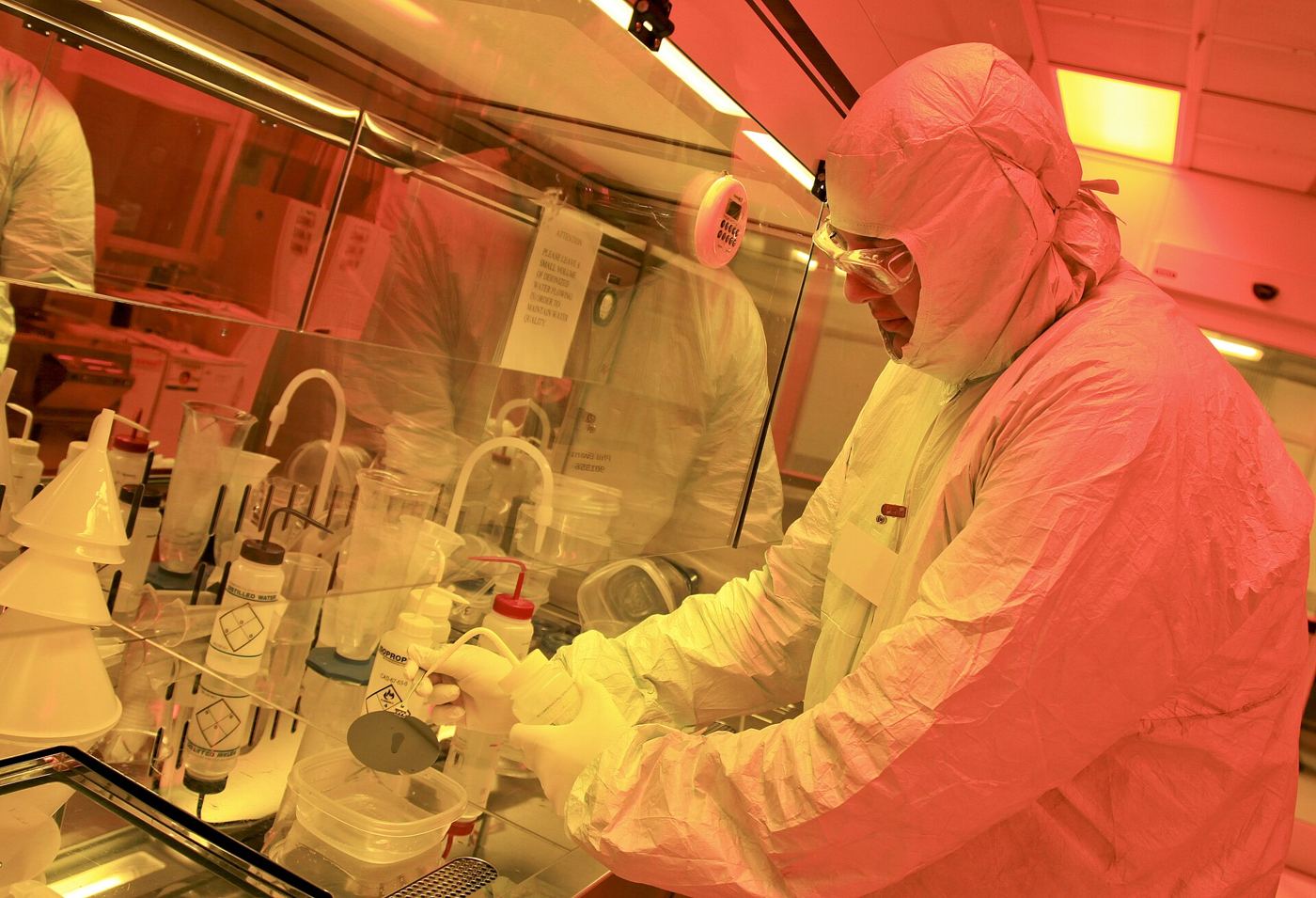
Building a semiconductor factory attracts attention for its cost and advanced machinery, but running one depends on hundreds of technicians who can work precisely inside cleanrooms where even tiny contamination can ruin production. Chip companies and colleges are expanding apprenticeships to train those workers locally, combining classroom study in electronics, chemistry and vacuum systems with supervised shifts on real equipment. The programmes are aimed at school leavers, career changers and experienced manufacturing staff who want retraining, rather than only graduates in engineering. For regions hosting new plants, that matters because it turns a major investment into accessible jobs, and gives employers a steadier supply of people who understand both the science and the discipline of the production floor. Colleges near new plants are updating laboratories to resemble real production environments, with gowning rooms, particle counters and practice tools, so apprentices arrive on site already familiar with the routines and standards expected of them from their first shift.
What the Evidence Shows
Cleanroom work is demanding, involving protective clothing, strict procedures, careful record keeping and long periods of concentration around expensive tools. Trainers say good technicians are distinguished less by speed than by noticing small deviations early and communicating them clearly. Apprenticeships also help companies explain those realities before hiring, reducing turnover in roles that can surprise newcomers. Governments supporting new chip capacity have learned that buildings and subsidies are only part of the challenge, since a factory without skilled staff cannot operate reliably. The quieter investment in local training may therefore decide whether a celebrated new plant becomes a lasting industrial base or struggles to recruit from its first year. Retention is part of the design too, with clear progression from technician to senior technician and process specialist, giving local recruits a visible career path instead of a single entry-level job with no obvious next step ahead. Reporting and analysis from sources such as IEEE Spectrum track the same developments, and specialists following semiconductor technician training say the direction is now consistent across independent lines of evidence.
The Wider Context
Adoption of semiconductor technician training follows a familiar pattern with an unfamiliar speed. Early users tolerate rough edges in exchange for advantage, mainstream users arrive when the tool disappears into existing workflows, and the market consolidates around whoever made that transition feel effortless. Vendors are racing less on raw performance now than on integration, support and trust.
What Happens Next
The realistic forecast for semiconductor technician training is steady integration rather than sudden replacement: embedded in products people already use, improving in increments, and regulated in proportion to its reach. The companies and institutions that plan on that basis, training staff and redesigning processes instead of chasing launches, are the ones the adoption data tends to vindicate. You can follow related developments in our coverage of technology.
It is also worth remembering how quickly the picture in this area has changed before. Positions that looked settled a few years ago have been revised as new data arrived, and the same humility is appropriate now. The strongest coverage of this subject, and the most useful advice, tends to come from sources that update their views openly when the facts move, rather than defending an earlier position long after it has stopped fitting the evidence available.
