


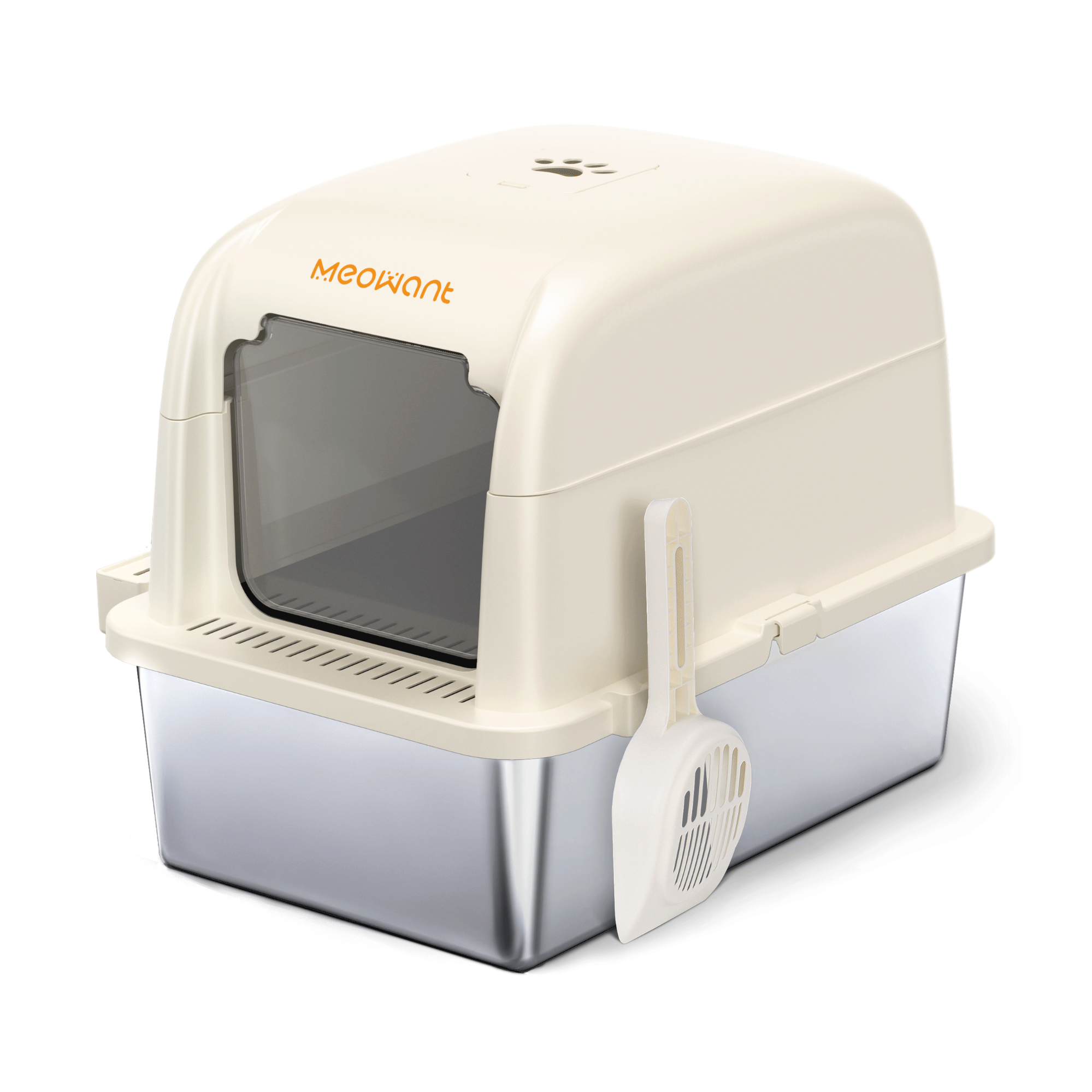
Most cat owners assume that once a litter box is in place, the job is done. In reality, that plastic tray is one of the most consequential pieces of furniture in your home, quietly shaping your cat’s mood, your household’s smell, and the amount of time you spend cleaning. A box that is too small, too dirty, or poorly placed can turn a relaxed cat into one that paces, meows, and eventually eliminates outside the box. The frustrating part is how gradually this decline happens. Nobody notices the drift until there is a puddle on the rug and a cat who seems suddenly unhappy. This guide walks through the questions worth asking about your current setup, the signals cats send when something is wrong, and the practical adjustments that deliver the biggest improvements. Whether you have shared your home with cats for years or just brought your first one inside, an honest review of your cat litter box is one of the easiest upgrades available.
Reading the Signs Your Litter Box Is Falling Short
A cat litter box that suits your cat rarely produces drama. Your cat steps in, digs, does her business, covers it, and walks away without a second thought. The trouble is that cats are masters of quiet compromise. They will keep using a box that is cramped, smelly, or awkward to reach long after it has stopped meeting their needs, and the only visible sign is a slow shift in behavior. Learning to read those early signals is the most useful skill for keeping a setup healthy.
Behavioral Clues Your Cat Is Sending
Behavior changes usually start small. A cat who once trotted straight to the box may begin pausing at the entrance, sniffing the rim, or circling outside before stepping in. Some cats scratch at the flap of a covered box as though testing whether they can get back out. Others eliminate directly beside the box, which is often a protest about cleanliness or comfort rather than a medical issue. Pay attention to which box gets used when you have more than one; a cat that avoids a specific box is giving you direct feedback about that box. Keep a loose record of where accidents happen and anything that changed recently, such as a new piece of furniture or a shifted cleaning schedule. Patterns tell you far more than isolated incidents, and they often point to a simple fix you can make the same afternoon.
Odor and Cleanliness Red Flags
Smell is the other honest reporter. If you can detect litter odor from the next room, the box is already behind schedule, even if the surface looks clean. Ammonia builds up quickly in a shallow layer of litter, in a box with poor airflow, and in homes where one box serves several cats. Scratching the surface is not enough once urine has soaked into fine grooves on the plastic; older boxes can hold odor even after a thorough wash. A quick test is to clean the box completely, refill it, and check again the next day. If the smell returns almost immediately, the box itself may be the limiting factor rather than your routine. Replacing a worn tray is often cheaper in the long run than fighting a losing battle with cleaners and air fresheners.
Matching the Box to Your Cat, Not the Other Way Around
The most expensive model on the shelf is not automatically the right answer. Cats care about space, stability, and predictability, and they are remarkably consistent about those preferences once you identify them. Matching the box to the animal in your home matters more than matching it to your decor.
Size, Entry Style, and Senior Needs
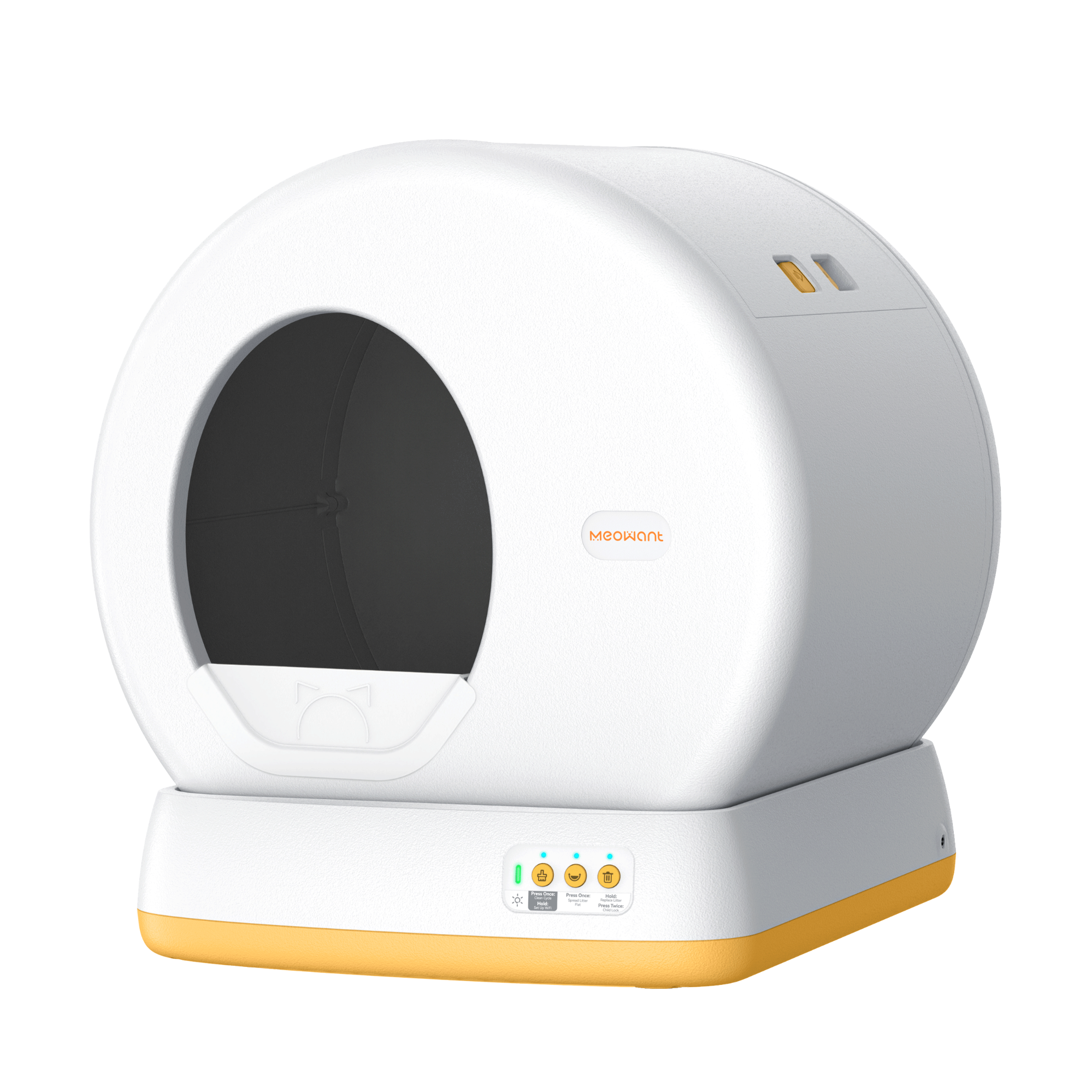
Cats need room to turn around, dig, and cover without stepping into their own waste, and many commercial boxes are smaller than that standard. A practical rule is to choose a box roughly one and a half times the length of your cat, measured from nose to the base of the tail. Height matters too. Senior cats and cats with arthritis struggle to climb high walls, while young, athletic cats may fling litter over low sides with enthusiasm. A low-entry box with taller back walls solves both problems in many homes. Covered boxes offer privacy and contain mess, but they trap odors and can make nervous cats feel cornered. If you use one, keep an open box available as an alternative so your cat always has a choice.
Litter Depth and Substrate Preferences
Litter depth is an underrated variable. Most cats prefer enough material to dig and bury, usually a few inches, and they are noticeably more likely to avoid a box that is too shallow. Substrate texture matters as well. A cat raised on fine clumping litter may reject pellets or crystals outright, no matter how well they control odor. When you experiment, change one thing at a time and allow several days before judging the result. Sudden swaps tend to produce accidents that owners misread as behavioral problems. Watch where your cat digs, how deeply she burrows, and whether she kicks litter over the edge; those habits tell you whether the depth and texture are working.
Placement and Maintenance Habits That Make a Difference
Even a well-chosen box can fail because of where it sits or how it is maintained. Placement and routine are the two variables owners most often overlook, and both are simple to improve. Small changes in location or timing often resolve issues that no amount of shopping can fix.
Finding the Right Spot
Placement decides whether a good box gets used. Cats want a quiet, low-traffic corner with a clear escape route, away from noisy appliances and sudden movement. Bathrooms and laundry rooms are popular choices, but a utility room where the dryer slams shut can be stressful. Avoid putting the box beside food and water, since most cats dislike eating near their toilet. In multi-story homes, provide a box on each floor so an older cat does not need to navigate stairs for a basic need. Keep the box visible enough that you notice changes quickly; tucking it into a distant basement makes daily monitoring unrealistic and hides problems until they become habits.
A Cleaning Rhythm That Actually Sticks
Consistency beats intensity. Scoop at least once a day, preferably twice, and top off litter as the level drops. Once a week, wash the box with mild soap and warm water, dry it fully, and refill. Avoid strong household cleaners, which leave scents that discourage cats, and never use ammonia-based products. Replace worn boxes when deep scratches appear, because those grooves harbor bacteria that no scrubbing will remove. Thoughtful design makes this rhythm easier to keep; brands such as Meowant build boxes with removable parts and smooth surfaces that shorten each cleaning session. The goal is a routine you can maintain on your busiest week, not a heroic deep clean once a month that leaves the box neglected in between.
Knowing When to Replace Rather Than Adjust
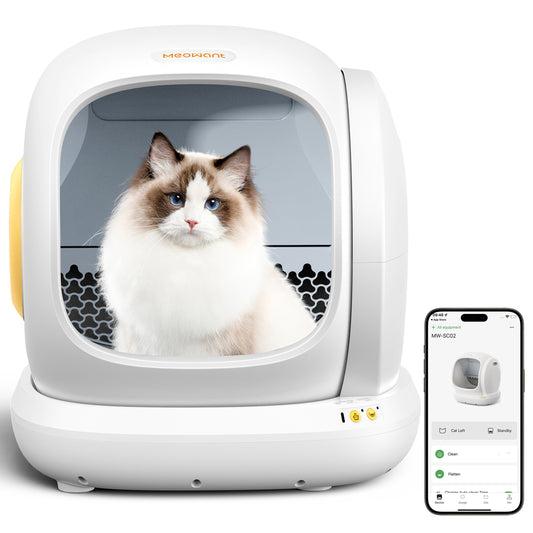
At some point, adjustment stops being the answer. Plastic absorbs odor over time, and a box that has served a busy multi-cat household for several years often carries a smell no cleaning routine can fully erase. Look for deep scratches on the base, a rim that no longer snaps tight, and litter that clumps against the sides because the surface has become porous. If your cat has gradually stopped covering waste or has started hanging her head over the edge, the box may simply be too small for her adult size. A replacement is not a failure of care; it is maintenance, the same as replacing a worn brush or a scratched bowl. If possible, put the new box beside the old one for a week and let your cat choose. Most cats switch without ceremony once the new option is clearly cleaner and more comfortable, and the improvement in both odor and behavior is usually obvious within days.

A Healthier Setup Starts With Honest Questions
A healthier setup begins with honest questions. Does my cat approach the box without hesitation? Can I smell it from another room? Is cleaning a task I actually finish every day? If any answer gives you pause, the fix is usually simpler than expected: a larger box, a quieter location, deeper litter, or a more reliable schedule. Cats rarely announce their discomfort, but they leave clues everywhere for anyone patient enough to notice. Adjust one variable at a time, give your cat a couple of weeks to respond, and keep what works. The payoff is a calmer cat, a fresher home, and a litter routine that stops feeling like a daily battle. Small, deliberate changes, repeated consistently, do more for your cat’s wellbeing than any single purchase.
