


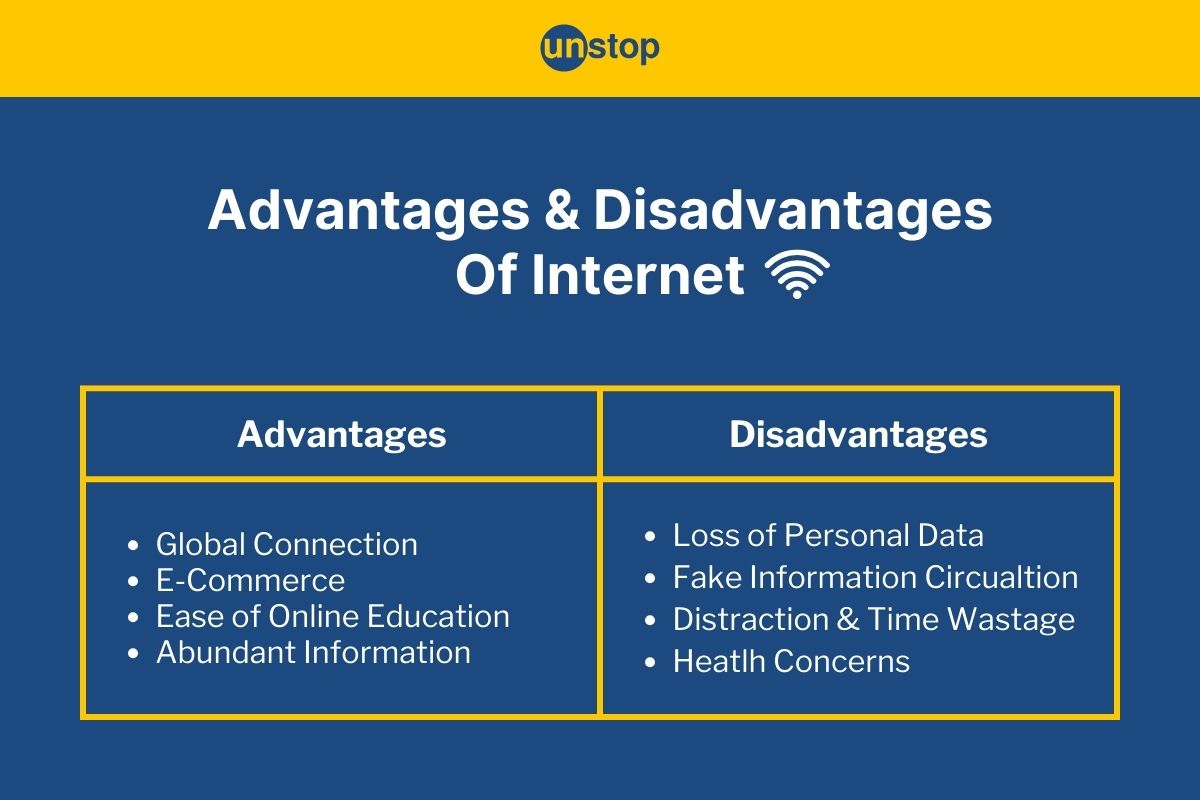
The internet has become an essential part of everyday life, connecting people across the globe and providing access to information, entertainment, education, and business opportunities. Whether someone is working remotely, learning a new skill, shopping online, or staying in touch with family and friends, the digital world plays a significant role in daily routines. As technology continues to evolve, users benefit from having access to reliable online resources that help them navigate the web more efficiently. One example is bos88, which serves as an online destination for users seeking a modern web experience.
With millions of websites available, finding trustworthy platforms and understanding how to browse safely have become increasingly important. Modern internet users need practical knowledge to make informed decisions while enjoying the many advantages of digital technology.
The Internet Has Changed Everyday Life
Over the past few decades, the internet has transformed nearly every aspect of society. Tasks that once required significant time and effort can now be completed within minutes.
People use the internet for countless purposes, including:
- Online education
- Digital banking
- Shopping
- Entertainment
- Video conferencing
- Social networking
- Reading news
- Business management
The convenience offered by online services continues to improve as websites become faster, more responsive, and easier to navigate.
Why Reliable Online Resources Matter
Not every website offers accurate information or a positive user experience. Reliable resources help users save time while reducing the risk of misinformation, scams, and poor-quality services.
A trustworthy website generally provides:
- Clear navigation
- Updated information
- Secure browsing
- Fast loading pages
- Responsive design
- Helpful customer support
- Transparent policies
When users consistently rely on dependable platforms, they enjoy a smoother and safer online experience.
Understanding Modern Web Experiences
Modern websites are designed with users in mind. Rather than simply displaying information, today’s websites focus on usability, accessibility, and performance.
Key characteristics include:
Responsive Design
Responsive websites automatically adjust to smartphones, tablets, laptops, and desktop computers, ensuring visitors have a consistent experience regardless of screen size.
Fast Performance
Slow-loading pages often frustrate users and increase bounce rates. Optimized websites load quickly, improving user satisfaction.
User-Friendly Navigation
Well-organized menus and intuitive layouts make it easy for visitors to locate information without confusion.
Secure Connections
HTTPS encryption helps protect user data by securing communication between browsers and websites.
Accessibility
Modern websites increasingly support users with disabilities through readable fonts, keyboard navigation, image descriptions, and other accessibility features.
Staying Safe While Browsing
Online safety remains one of the most important aspects of internet use. Cyber threats continue to evolve, making digital awareness essential.
Here are several best practices:
Use Strong Passwords
Create unique passwords containing uppercase letters, lowercase letters, numbers, and symbols.
Enable Two-Factor Authentication
Whenever available, activate two-factor authentication for additional account protection.
Keep Software Updated
Regular updates often include security improvements that protect against newly discovered vulnerabilities.
Verify Website Security
Before entering personal information, confirm that the website uses HTTPS encryption.
Avoid Suspicious Links
Never click unknown links received through unsolicited emails or messages.
Protect Personal Information
Only share necessary information with websites you trust.
The Importance of Digital Privacy
Privacy has become a major concern in today’s connected world. Every online activity may generate data, making it important for users to understand how their information is collected and used.
Helpful privacy habits include:
- Reviewing privacy settings
- Limiting unnecessary permissions
- Using reputable browsers
- Clearing cookies periodically
- Being cautious with public Wi-Fi
- Reading privacy policies before sharing sensitive information
Awareness helps users maintain greater control over their digital footprint.
Online Learning Opportunities
Education has become more accessible thanks to the internet. People can learn virtually any skill from home.
Popular learning topics include:
- Programming
- Graphic design
- Foreign languages
- Marketing
- Personal finance
- Photography
- Business management
- Health and wellness
Online learning allows students to progress at their own pace while accessing resources from around the world.
Digital Communication
Modern communication has evolved dramatically through online technologies.
People now communicate using:
- Instant messaging
- Video calls
- Collaboration platforms
- Social media
- Online communities
These tools support both personal relationships and professional collaboration regardless of geographic distance.
Online Shopping Convenience
E-commerce has simplified purchasing products from virtually anywhere.
Benefits include:
- Convenient browsing
- Product comparisons
- Customer reviews
- Home delivery
- Secure payment methods
- Price transparency
Consumers should still compare sellers, verify legitimacy, and read reviews before making purchases.
Productivity in the Digital Age
Modern internet tools help individuals and businesses improve productivity.
Examples include:
Cloud Storage
Cloud services allow users to access files from multiple devices while providing backup options.
Project Management
Online collaboration tools help teams organize tasks, track progress, and communicate effectively.
Digital Calendars
Scheduling tools simplify appointment management and reminders.
Document Collaboration
Multiple users can edit documents simultaneously, improving teamwork and efficiency.
Entertainment Without Limits
The internet offers countless entertainment options suitable for all interests.
Popular forms include:
- Streaming movies
- Music platforms
- Podcasts
- Online gaming
- Digital books
- Educational videos
Responsible usage ensures entertainment remains enjoyable without negatively affecting daily responsibilities.
Recognizing Misinformation
One challenge of the modern internet is the spread of false information.
Users can protect themselves by:
- Checking multiple sources
- Reading complete articles instead of headlines
- Looking for publication dates
- Evaluating the author’s credibility
- Being cautious of sensational claims
- Avoiding sharing unverified content
Critical thinking remains one of the most valuable digital skills.
Mobile Internet Usage
Smartphones have become the primary way many people access the internet.
Mobile-friendly websites should provide:
- Easy navigation
- Readable text
- Fast loading speeds
- Touch-friendly buttons
- Minimal unnecessary pop-ups
Businesses increasingly prioritize mobile optimization because user expectations continue to rise.
The Future of Internet Experiences
Technology continues to reshape the online landscape.
Emerging trends include:
- Artificial intelligence
- Personalized recommendations
- Faster web technologies
- Improved cybersecurity
- Voice search
- Augmented reality experiences
- Smarter automation
- Enhanced accessibility
These innovations aim to create more personalized, efficient, and secure digital environments.
Developing Healthy Internet Habits
While the internet offers tremendous value, balance is important.
Healthy habits include:
- Taking regular screen breaks
- Verifying online information
- Protecting personal privacy
- Managing screen time
- Backing up important files
- Using secure passwords
- Staying informed about online safety
Small habits contribute to a healthier relationship with technology.
Conclusion
The internet continues to transform the way people live, learn, work, and communicate. As digital technology advances, modern users benefit from websites that prioritize reliability, security, accessibility, and user experience. Developing strong digital habits, understanding online safety, and choosing trustworthy resources allow individuals to make the most of everything the web has to offer.
Whether browsing for information, managing daily tasks, collaborating with others, or discovering new opportunities, informed internet users are better equipped to enjoy a productive and secure online experience. By embracing responsible digital practices and relying on quality online resources, anyone can confidently navigate today’s ever-evolving digital world.
