


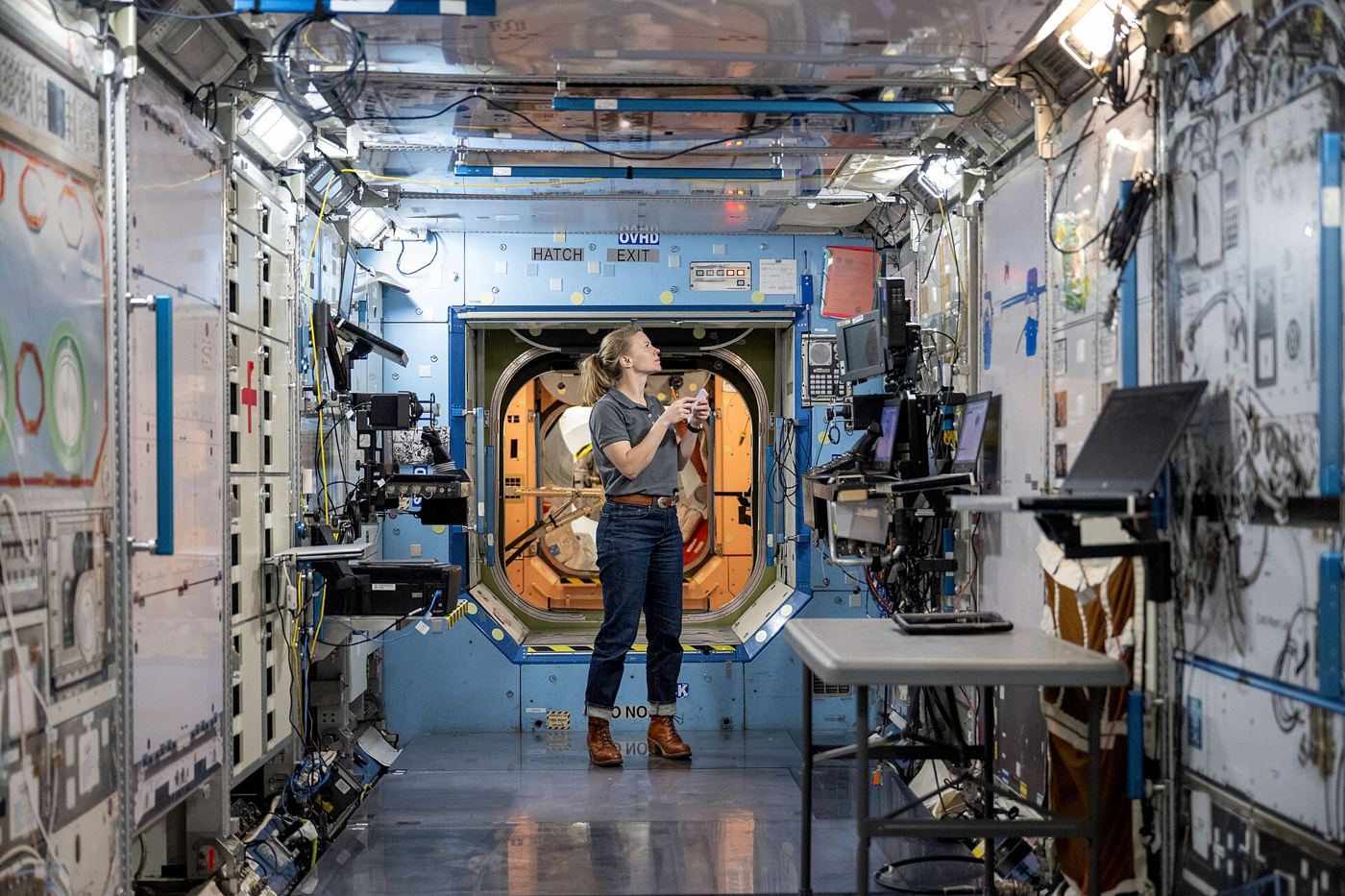
Four volunteers have stepped outside after 378 days living inside a simulated Mars habitat, completing NASA’s second yearlong test of life on the Red Planet. The crew of CHAPEA Mission 2 walked out of the Mars Dune Alpha habitat at the Johnson Space Center in Houston on 31 October 2026, with NASA publishing their reflections on 9 November. Commander Ross Elder, medical officer Ellen Ellis, science officer Matthew Montgomery and flight engineer James Spicer entered the 1,700-square-foot, 3D-printed habitat on 19 October 2025. Inside, they grew crops, carried out simulated Marswalks, maintained the habitat and coped with communication delays of up to 22 minutes each way, as well as a two-week stretch with no contact from the outside world. NASA astronaut Jack Hathaway, fresh from the International Space Station, knocked on the door and called out trick or treat before opening it. The crew will now spend two weeks in post-mission evaluations before returning to normal life.
What the Evidence Shows
The simulation was designed to test what a real Mars mission would demand of its crew, without the danger of actually going there. The four lived in a space roughly the size of a three-bedroom house, with no windows and no live calls home, facing resource limits, equipment failures, isolation and heavy workloads. Their health data will be studied over two weeks of post-mission evaluations, helping NASA understand how isolation and confinement affect the body and mind. The first CHAPEA mission also lasted 378 days, running from June 2023 to July 2024, and the programme is building the evidence base for the day astronauts finally travel to Mars. For the crew, the reward was simple: sunlight on their skin and hugs from family and friends for the first time in more than a year. Reporting and analysis from sources such as National Science Foundation track the same developments, and specialists following CHAPEA Mission 2 say the direction is now consistent across independent lines of evidence.
The Wider Context
The wider context is a research landscape in which replication and open data now decide reputations. Findings connected to CHAPEA Mission 2 are being checked by independent groups with shared datasets, and the teams involved publish their methods in full so rivals can test every step. That discipline is slower than a headline cycle, but it is why results in this area increasingly survive first contact with scrutiny.
What Happens Next
What happens next in the story of CHAPEA Mission 2 will be decided by follow-up work already under way: larger samples, longer observation and instruments that have not yet come online. The researchers involved are unusually united on one point, that the current results justify the next investment of time and money. Readers will not have to wait long for the first tests of that claim. You can follow related developments in our coverage of science.
There is a practical lesson in all of this for readers deciding what to do today. Start with the verified facts, be wary of anyone promising certainty, and prefer reversible steps while the evidence is still developing. Circumstances differ by country, income and personal situation, so general guidance should always be weighed against your own context before you act on it in any significant or lasting way.
