


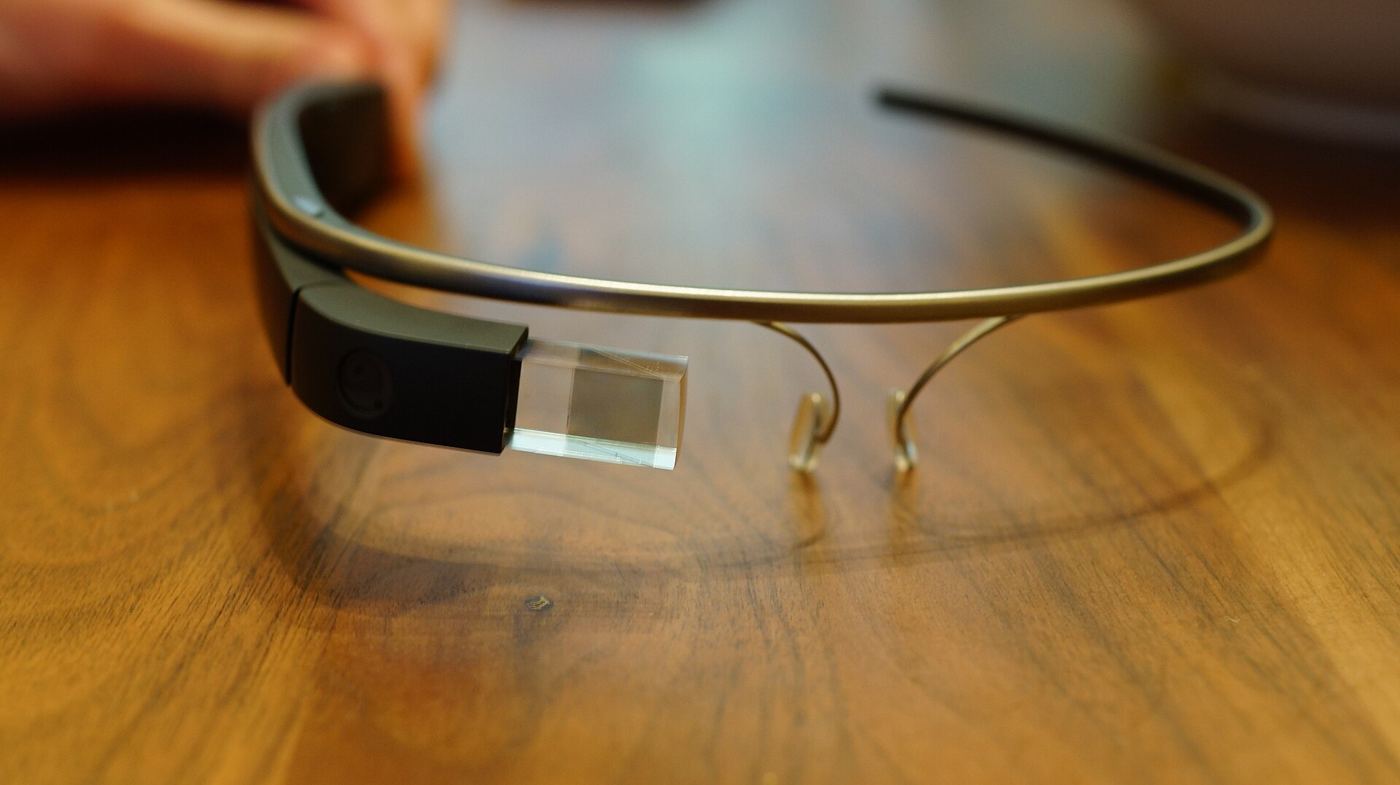
Smart glasses that speak directions aloud are opening up independent travel for visually impaired walkers, describing routes, obstacles and landmarks in real time. Cameras in the frames scan the street ahead while software identifies crossings, kerbs, shop entrances and hazards such as overhanging signs that a cane cannot detect. Guidance arrives through small speakers that leave the ears open to traffic sounds, or through bone conduction that preserves the environmental awareness blind travellers depend on. Users can ask questions naturally, requesting the location of a bus stop, the text on a departure board or the arrangement of items on a café table. Trials with blind and partially sighted volunteers focus less on novelty than on trust: directions must be accurate, timely and honest about uncertainty. A confident wrong instruction is worse than admitting the view is unclear. Battery life, weight and appearance all matter too, because a device that looks medical or dies by midday will stay in a drawer. Developers working closely with visually impaired testers say the technology’s promise is not replacing canes or guide dogs, but adding a layer of information those trusted aids cannot provide.
What the Evidence Shows
Refining the audio navigation glasses has meant solving problems sighted designers rarely anticipate. Street noise can swamp spoken instructions, so systems learn to shorten messages, prioritise hazards and repeat critical warnings at the right moment. Indoor navigation remains harder than outdoor routes, because satellite positioning fades inside stations and shopping centres, forcing reliance on mapped beacons and camera-based localisation. Privacy questions follow any camera worn in public, and manufacturers are adding visible recording indicators and processing imagery on the device where possible. Cost is the barrier most often raised by potential users, prompting campaigns for such glasses to be treated as assistive technology eligible for workplace and public funding. Training matters as well: new users benefit from guided practice in quiet streets before trusting the system in a rush-hour crowd. Despite the challenges, early adopters describe a particular pleasure in exploring an unfamiliar neighbourhood without pre-planning every step with another person. Independence, measured in spontaneous trips rather than technical specifications, is the outcome researchers now design for. Each software update is judged against that simple standard by the people who wear the glasses daily. Reporting and analysis from sources such as IEEE Spectrum track the same developments, and specialists following the audio navigation glasses say the direction is now consistent across independent lines of evidence.
The Wider Context
Adoption of the audio navigation glasses follows a familiar pattern with an unfamiliar speed. Early users tolerate rough edges in exchange for advantage, mainstream users arrive when the tool disappears into existing workflows, and the market consolidates around whoever made that transition feel effortless. Vendors are racing less on raw performance now than on integration, support and trust.
What Happens Next
The realistic forecast for the audio navigation glasses is steady integration rather than sudden replacement: embedded in products people already use, improving in increments, and regulated in proportion to its reach. The companies and institutions that plan on that basis, training staff and redesigning processes instead of chasing launches, are the ones the adoption data tends to vindicate. You can follow related developments in our coverage of technology.
It is also worth remembering how quickly the picture in this area has changed before. Positions that looked settled a few years ago have been revised as new data arrived, and the same humility is appropriate now. The strongest coverage of this subject, and the most useful advice, tends to come from sources that update their views openly when the facts move, rather than defending an earlier position long after it has stopped fitting the evidence available.
