


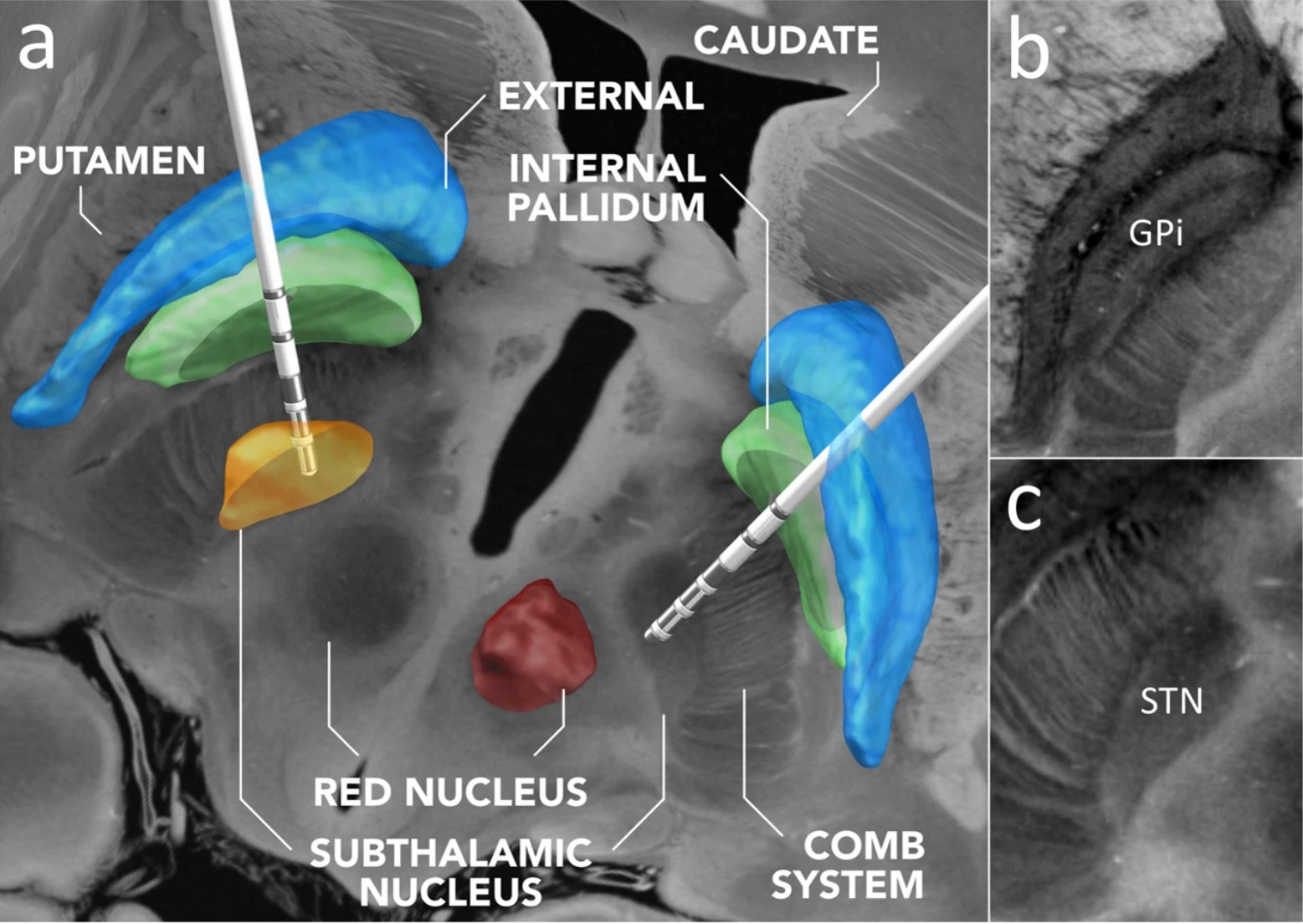
The human brain is evolution’s masterpiece and its compromise. A growing chorus of neuroscientists argues that the very adaptations which made us quick, social and imaginative also hard-wired the failure modes we now call anxiety disorders, addiction, bias and burnout. The argument — explored across our technology and science coverage — is not that the brain is broken. It is that it was optimised for a world that no longer exists, and its shortcuts show.
A brain built for speed, not accuracy
Evolution rewards decisions that are fast and good enough. Spotting a pattern that is not there costs little; missing a predator that is there costs everything. So the brain became a prediction machine biased toward false alarms: it sees faces in clouds, intentions in coincidences, and threats in strangers. In a savannah, that bias saves lives. In a world of push notifications and global news, the same bias manufactures chronic anxiety — an alarm system ringing for dangers it can neither fight nor flee. Researchers writing in Scientific American have traced how these ancient circuits interact with modern information overload to produce very contemporary misery.
The prefrontal bargain
Our enlarged prefrontal cortex bought planning, language and self-control at a price: it is metabolically expensive, slow to mature and first to falter under stress, fatigue or alcohol. It also gave us a narrator — an inner voice that explains us to ourselves — which can curdle into rumination, the looping self-criticism central to depression. No other animal worries about embarrassment at a meeting next Tuesday. The brain region that lets us simulate the future also lets us suffer in it repeatedly, a trade-off that looks less like a flaw than like the cost of the feature.
Reward circuitry in a world of supernormal stimuli
Dopamine-driven reward learning evolved for scarcity: find calories, find mates, remember where. It now faces engineered abundance — infinite feeds, refined sugar, gambling apps and notifications tuned by thousands of engineers to trigger exactly those circuits. Addiction, in this framing, is not weak willpower but ancient hardware meeting an environment it was never calibrated for. The mismatch hypothesis, supported by work aggregated by the National Institutes of Health, reframes many modern epidemics — obesity, compulsive scrolling, substance abuse — as collisions between Stone Age wiring and Space Age temptation.
Social brains, oversized networks
We evolved for bands of roughly 150 relationships, maintained by grooming and gossip. The modern brain attempts to track thousands of parasocial connections, compares itself against curated highlight reels of strangers, and treats online criticism with the same alarm as tribal exile — which, for most of human history, meant death. Loneliness amid hyperconnection stops looking paradoxical: the social circuitry is saturated and starved at the same time, fed quantity where it evolved for quality.
Working with the design instead of against it
The practical upshot is encouraging. If many struggles are mismatches rather than defects, changing the environment helps as much as changing the mind: sleep that restores the prefrontal cortex, exercise that recalibrates reward sensitivity, information diets that lower false alarms, and friendships maintained in person rather than by feed. Mindfulness practices, in this view, work by training the narrator instead of obeying it. None of this requires new evolution — just respect for the operating manual of old hardware.
The bottom line
Calling the brain ‘set up for failure’ is provocation with a purpose. The same wiring that misfires in modern life also produced science, art and empathy; the failure modes are inseparable from the gifts. Understanding the trade-offs does not excuse us from the work of mental health — it tells us where to push: less on the supposedly broken self, and more on the fit between an ancient brain and the world we have built around it.
