


Conservation used to happen somewhere else: in reserves, preferably far away. The science of urban ecology has moved the frontier into the city itself, where connected threads of habitat, riverbanks, railway cuttings, cemeteries, gardens, decide which species can live among millions of people, and residents are being recruited as the network’s builders.
Islands are the enemy
An isolated patch of habitat behaves like an island: species arrive rarely, populations are small and inbred, and a local extinction is permanent because recolonisation cannot cross the surrounding concrete. Corridors solve the geometry by connecting patches into a network in which animals, seeds and genes can move.
The routes are often already there, wearing other names. Rivers and canals, disused railways, allotments, churchyards and the green verges of roads form a latent network that planning can either sever with each development or deliberately strengthen into infrastructure.
The garden frontier
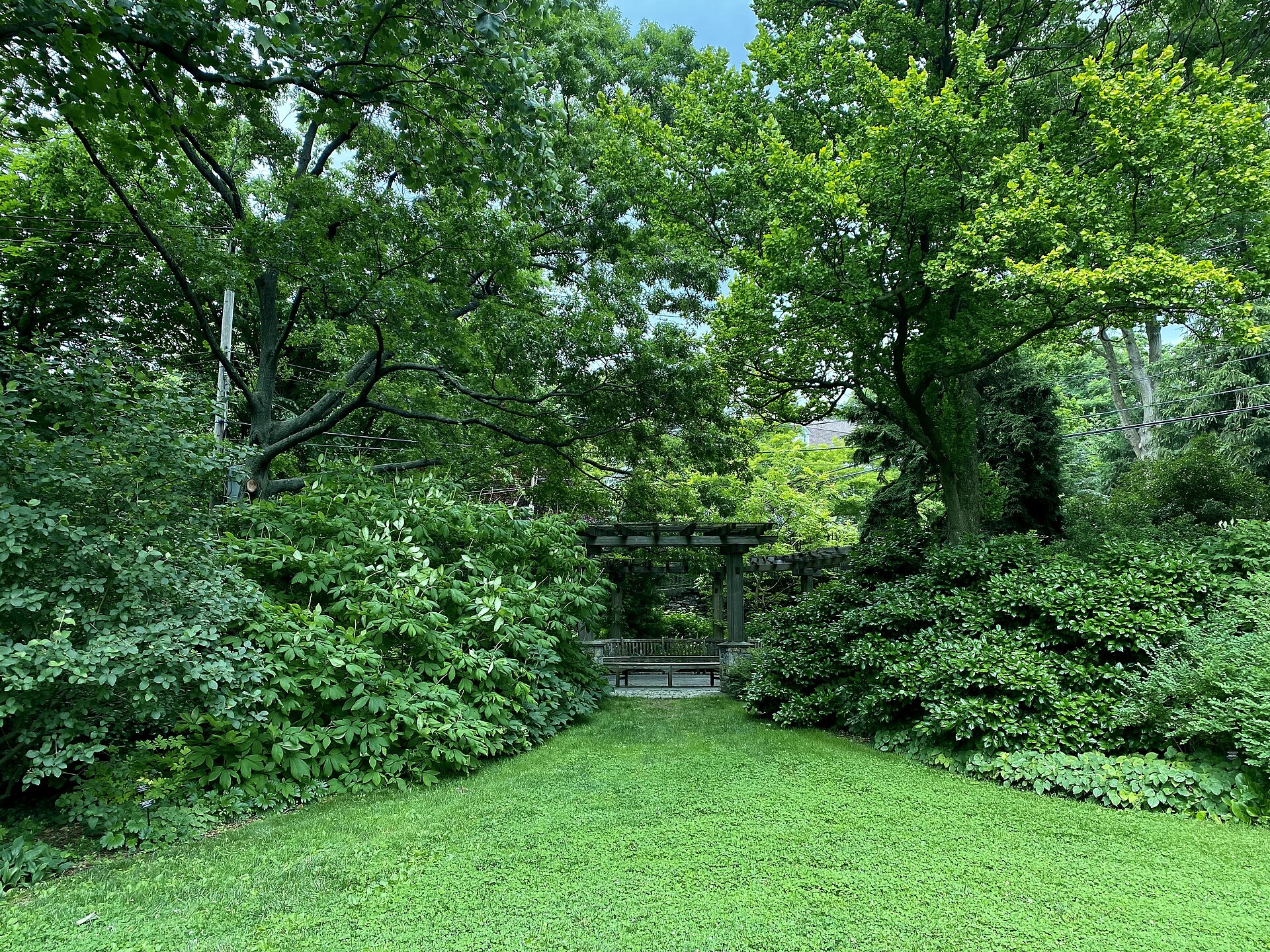
Private gardens collectively form one of the largest habitat types in many cities, and their management decides the network’s fine grain. The conservation asks of gardeners are specific and modest: a gap in the fence for hedgehogs, a pond without fish, a corner left unmown, an end to slug pellets that poison the food chain, and planting chosen for the insects that feed everything else.
Citizen science has turned this constituency into a monitoring network. Garden bird counts, butterfly surveys and hedgehog mapping now generate the data that tells conservationists whether the corridors are working, at a scale no professional survey could fund.
Designing the crossings
Where corridors meet hard infrastructure, engineering helps: green bridges over motorways, tunnels under roads for amphibians, swift bricks built into new walls, and dark corridors where lighting is designed down so bats can commute. Such features are moving from showcase projects into standard planning conditions in forward-looking authorities.
Water features carry disproportionate value. A chain of small ponds across a district, in parks, schools and gardens, creates stepping stones for amphibians and dragonflies and a resilience network in drought years, when any single pond may dry.
For more coverage of the stories shaping the day, visit our homepage and the latest reporting in News.
Conflict and coexistence
More wildlife in the city means more encounters, and not all are welcome: foxes in bins, gulls on chips, deer on the ring road. Urban ecologists argue these are management questions, answered by waste design, public information and, occasionally, control, rather than reasons to abandon the enterprise.
The health evidence strengthens their hand. Access to nature in daily life is associated with measurably better mental health, and the corridors that serve hedgehogs serve people simultaneously: the same greenway carries the commuter, the child and the kingfisher, which is the definition of efficient infrastructure.
A different idea of the city
The underlying shift is philosophical: the city as a place where nature visits is being replaced by the city as an ecosystem in its own right, judged partly on what lives there besides us. That idea, radical a generation ago, now appears in planning law and biodiversity duties in several countries.
Its pace will be set by accumulation rather than announcement: a thousand fence gaps, a hundred ponds, a dozen green bridges. Urban rewilding is not an event but a direction, and its direction is set, which is why its practitioners sound more confident than their modest budgets would seem to allow.
Further reading: The Guardian and BBC News.
The wild city will not resemble the wilderness, and it should not. It is something newer: a shared habitat, negotiated species by species and street by street, in which human residents discover they were part of nature’s network all along.
