


Rabies is the rare disease where the treatment is simple, the timeline is urgent, and the alternative is almost unthinkable. That reality collided with a coverage surprise in a case reported this week: a 91-year-old man attacked by a raccoon received the rabies vaccine series he urgently needed, then learned it was not covered by his insurance — leaving a bill of hundreds of dollars. Our news desk examined what the case reveals about a vaccine nearly everyone assumes is simply handled.
Why there is no ‘wait and see’ with rabies
Rabies is a viral disease that attacks the central nervous system. Once symptoms appear, it is almost invariably fatal — one of the deadliest outcomes in all of medicine. Yet before symptoms, post-exposure prophylaxis (PEP) is essentially 100% effective: a dose of rabies immune globulin plus a short series of vaccine shots teaches the immune system to defeat the virus during its slow journey along nerves to the brain. The CDC’s rabies guidance is unambiguous: any bite or scratch from a wild animal that could carry rabies warrants immediate medical evaluation, because the time to act is before anyone feels ill.
How a covered treatment becomes a bill
So how does a medically essential vaccine end up uncovered? The answer lies in the patchwork of American healthcare billing. Where the shots are given — emergency department, urgent care, or doctor’s office — which product codes are billed, and whether the plan treats the visit as emergency care or preventive care can all change what a patient owes. Seniors can fall into an additional gap between Medicare parts, where vaccines administered in clinical settings are covered differently from those in pharmacies. The result is a bill that feels absurd: hundreds of dollars for the one treatment in medicine where cost should never delay care.
Raccoons are a genuine rabies reservoir
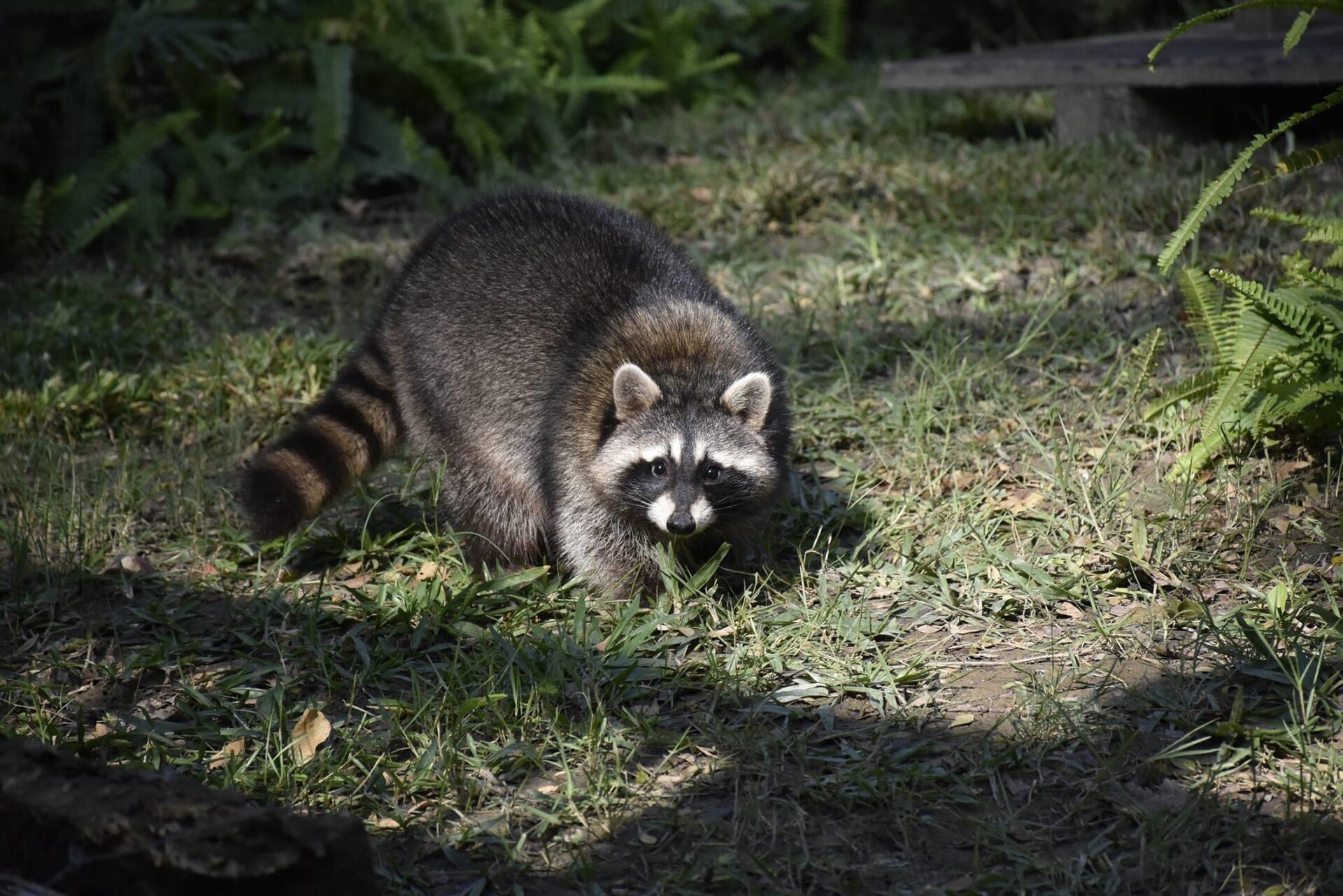
Raccoons are among the principal wildlife carriers of rabies in the eastern United States, alongside bats, skunks and foxes. An unprovoked daytime attack — the pattern in most reported cases — is itself a warning sign, since healthy raccoons avoid people. Animal control agencies test captured animals when possible, which can spare victims the vaccine series if the animal tests negative, but when the animal escapes, doctors must assume exposure. Prevention helps too: never feed or approach wild animals, secure rubbish bins, vaccinate pets, and teach children that a ‘friendly’ wild animal may be a sick one.
What to do in the first hours after any bite
First, wash the wound thoroughly with soap and running water for a full fifteen minutes — this simple step significantly reduces viral load. Second, seek medical care the same day and describe the animal and circumstances precisely. Third, report the incident to local animal control or public health, who track rabies activity and can coordinate testing. Fourth, ask the provider’s billing office, before treatment if time allows, how the series will be coded — and if a bill later seems wrong, appeal: coverage denials for emergency post-exposure care are frequently reversed. Public health departments can also direct uninsured patients to lower-cost sources of the vaccine.
The wider debate this case feeds
Public-health experts have long argued that rabies PEP exposes the worst feature of cost-sharing: a patient doing arithmetic while a fatal virus incubates. Emergency physicians point out that nobody comparison-shops mid-emergency, and the vaccine’s price — far higher in the US than in most countries — turns a public-health triumph into a billing ordeal. Cases like this 91-year-old’s tend to travel far because they are so legible: an elderly man, a wild animal, a life-saving shot, and a bill.
The bottom line
The vaccine did its job for one very lucky man; the system nearly charged him a premium for surviving. Until coverage rules catch up with clinical reality, the practical advice stands: treat every wild-animal bite as urgent, get the shots first — as he did — and fight the paperwork afterwards, because with rabies there is no second appointment to fix a delay.
