
The smart home spent a decade as a drawer full of incompatible remotes with better marketing. Lights demanded one app, the thermostat another, the doorbell a third, and nothing spoke to anything else unless a hobbyist spent a weekend persuading it to. That era is ending. The coverage on our technology pages tracks the reason: a shared standard called Matter, backed by Apple, Google, Amazon and Samsung, now lets certified devices work together out of the box.
The change sounds technical and feels magical. Buy a Matter bulb, plug, sensor or lock from any major brand, and it joins the home network through whichever voice assistant you already use. Automations stop being brand prisoners: the hallway light can respond to a rival company’s motion sensor; the thermostat can react to a door left open, reported by a third firm’s contact sensor.
What still frustrates buyers
The peace treaty is incomplete. Cameras and video doorbells still largely live in their makers’ clouds, advanced features often hide inside brand apps, and older devices may need a hub or bridge to join the new order. Shoppers must still read boxes carefully — “works with” claims vary from full Matter support to a cloud integration that vanishes if a startup folds.
Standards bodies and reviewers, including the Connectivity Standards Alliance that maintains Matter, publish certification lists that are now the first stop for anyone planning a whole-home setup rather than a single gadget.
Buying advice for the new era
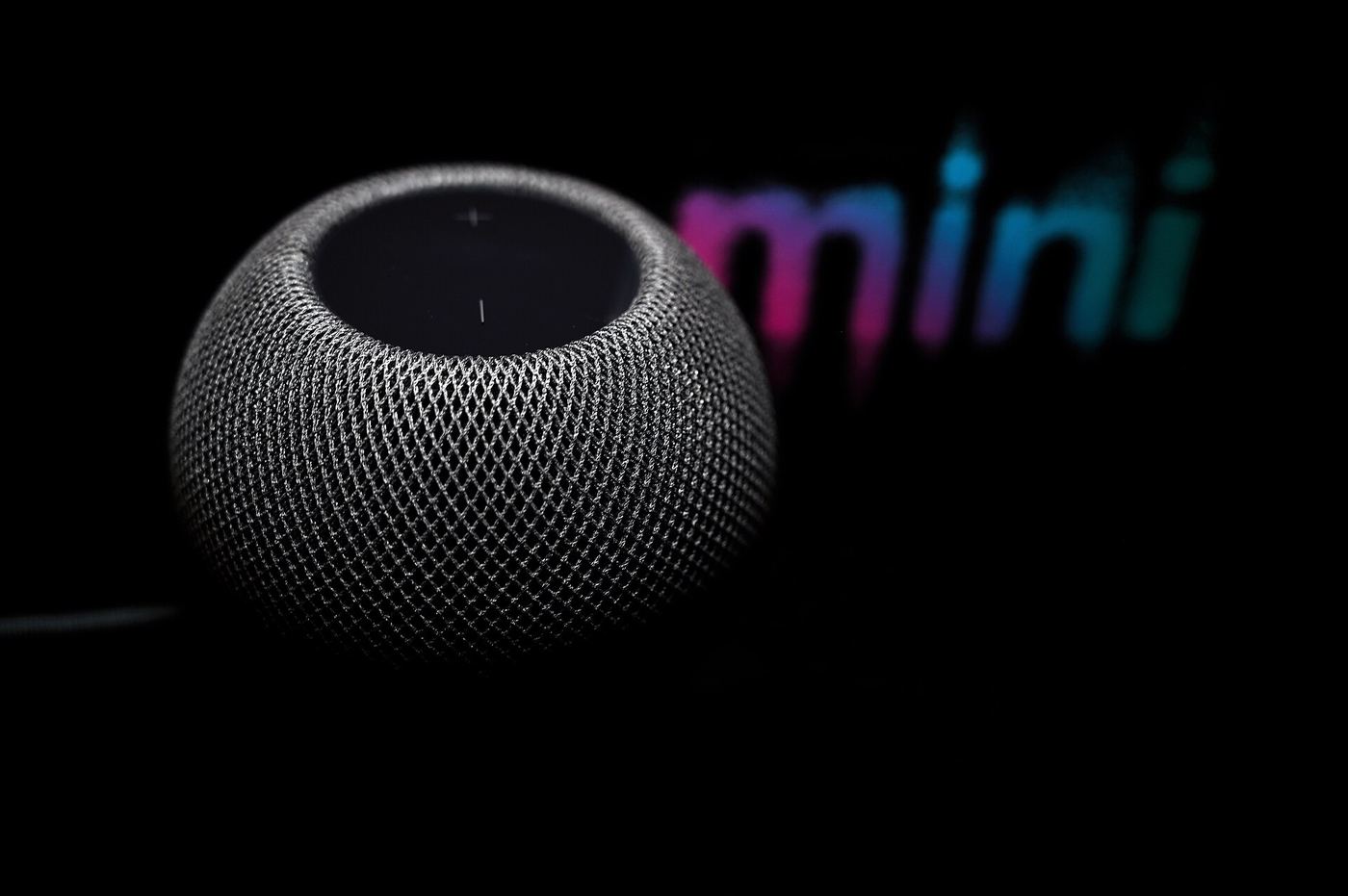
Start with the platform your phone already runs, add a hub speaker or display to act as the home’s border router, and buy certified devices as old ones fail rather than replacing everything at once. Prioritise the unglamorous wins — leak sensors under sinks, smart plugs on heaters, a lock that reports its own status — over novelty gadgets.
Privacy gets a standards upgrade too
The standard’s quieter virtue is where the data flows. Matter was designed for local control: commands between devices in the home need not detour through a manufacturer’s cloud, which means lights respond faster, keep working when the internet drops, and generate less behavioural data for anyone’s advertising profile. Security researchers, long the smart home’s fiercest critics, have cautiously welcomed the shift — certified devices receive standardised encryption and update paths rather than the abandonware firmware that turned old cameras and plugs into botnet recruits. The advice to buyers now includes a security question beside the compatibility one: does this device work locally, and will its maker still patch it in five years? The drawer of incompatible gadgets is being replaced, slowly, by something the industry should have built first: a system.
The smart home’s promise was never a house full of screens. It was a house that quietly cooperates: lights that know the hour, heating that knows the weather, doors that know their owners. Interoperability has not finished the job, but for the first time the gadgets are on speaking terms — and the conversation is getting interesting.
