


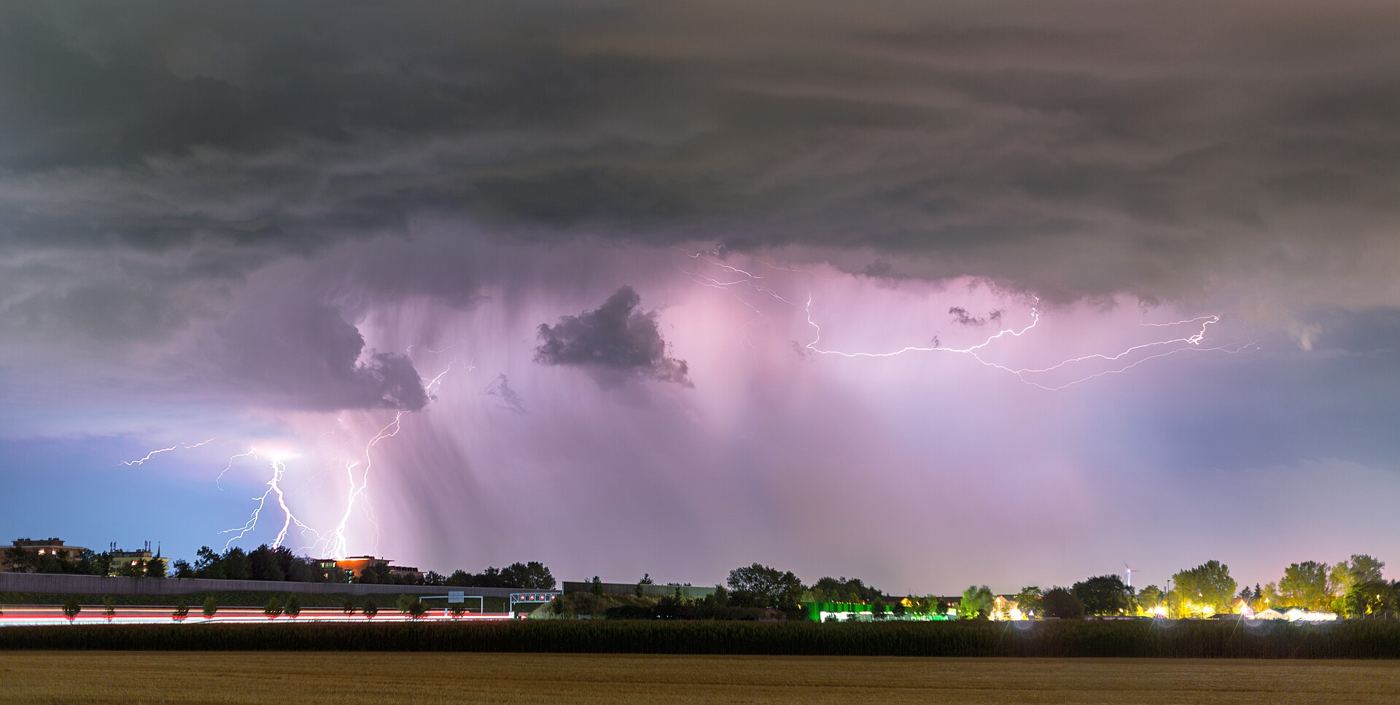
Not every lightning strike starts a fire, and not every storm is equally dangerous. By overlaying years of satellite lightning records with wildfire reports, vegetation maps and soil moisture data, researchers have produced detailed maps showing where lightning most often ignites fires in dry regions, and in which weeks of the year the risk peaks. The pattern is more specific than many fire services expected: a relatively small number of landscapes, where dry storms pass over parched, fuel-rich ground with little accompanying rain, account for a large share of natural ignitions. Knowing those hotspots in advance changes how agencies prepare. Crews, aircraft and detection cameras can be positioned where a strike is most likely to matter, and rapid response teams can check recent strike locations within hours, when a smouldering fire is still small enough to contain easily, rather than discovering it days later after wind has driven it across difficult terrain toward homes and infrastructure. The resulting maps are published openly, so smaller local brigades can plan with the same evidence.
What the Evidence Shows
The maps also reveal how climate change is shifting the risk. In several regions studied, the season for lightning-ignited fires is lengthening, and strikes are occurring more frequently over areas dried by prolonged heat, increasing the chance that a single storm sets multiple fires at once and overwhelms local response capacity. Fire ecologists emphasise that lightning fire is a natural process many ecosystems evolved with, so the goal is not to prevent every ignition but to protect lives, homes and vulnerable habitats by responding fastest where consequences would be worst. Improved lightning location networks, which now pinpoint strikes within hundreds of metres in near real time, feed directly into this strategy. Combined with satellite heat detection, they give incident rooms a prioritised list of places to inspect after every storm. As dry regions face hotter summers, this marriage of atmospheric science and practical firefighting is becoming an essential tool for living more safely with a natural phenomenon that cannot be controlled. Reporting and analysis from sources such as National Science Foundation track the same developments, and specialists following the lightning wildfire ignition map say the direction is now consistent across independent lines of evidence.
The Wider Context
The wider context is a research landscape in which replication and open data now decide reputations. Findings connected to the lightning wildfire ignition map are being checked by independent groups with shared datasets, and the teams involved publish their methods in full so rivals can test every step. That discipline is slower than a headline cycle, but it is why results in this area increasingly survive first contact with scrutiny.
What Happens Next
What happens next in the story of the lightning wildfire ignition map will be decided by follow-up work already under way: larger samples, longer observation and instruments that have not yet come online. The researchers involved are unusually united on one point, that the current results justify the next investment of time and money. Readers will not have to wait long for the first tests of that claim. You can follow related developments in our coverage of science.
There is a practical lesson in all of this for readers deciding what to do today. Start with the verified facts, be wary of anyone promising certainty, and prefer reversible steps while the evidence is still developing. Circumstances differ by country, income and personal situation, so general guidance should always be weighed against your own context before you act on it in any significant or lasting way.
